Autumn Bird Watching in North Norfolk

Bring binoculars!
There is something special about North Norfolk in autumn. This week we’ve enjoyed a glorious autumnal glow, with temperatures still in the mid-teens and bright, low sunshine bringing out the colours of the countryside. It’s exactly the sort of weather that makes you want to get outside and enjoy the outdoors before winter properly arrives.
One of the pleasures of staying in Cromer is easy access to the wildlife. You don’t have to travel far to find it, and sometimes even the smallest visitors can cause quite a stir.
A very unusual visitor to Mundesley
Last weekend, the little coastal village of Mundesley, just 7 miles down the road from Cromer, found itself making national headlines. A rare Northern Nutcracker, a bird whose natural home is thousands of miles away in Siberia, had been spotted in the village.
The news spread quickly among the birdwatching community. Hundreds of enthusiasts descended on Mundesley, some travelling considerable distances for the chance to see a bird that is an exceptionally rare visitor to Britain. There was so much excitement that cars parked along the narrow country lanes caused considerable congestion, disrupting the Coasthopper bus service.
It wasn’t quite the peaceful village scene the locals are used to. But there was a rather lovely side to the story. The visiting birdwatchers raised more than £1,700 for Mundesley Volunteer Inshore Lifeboat, helping to give something back to the villagers who hosted their unexpected invasion.
We were in Mundesley too, but we didn’t manage to spot the star attraction. We did, however, see plenty of its human admirers, binoculars and cameras at the ready.
Rather than join the crowds, at the weekend we decided to head for one of our favourite birdwatching spots: Cley Marshes which is in the opposite direction along the coast.
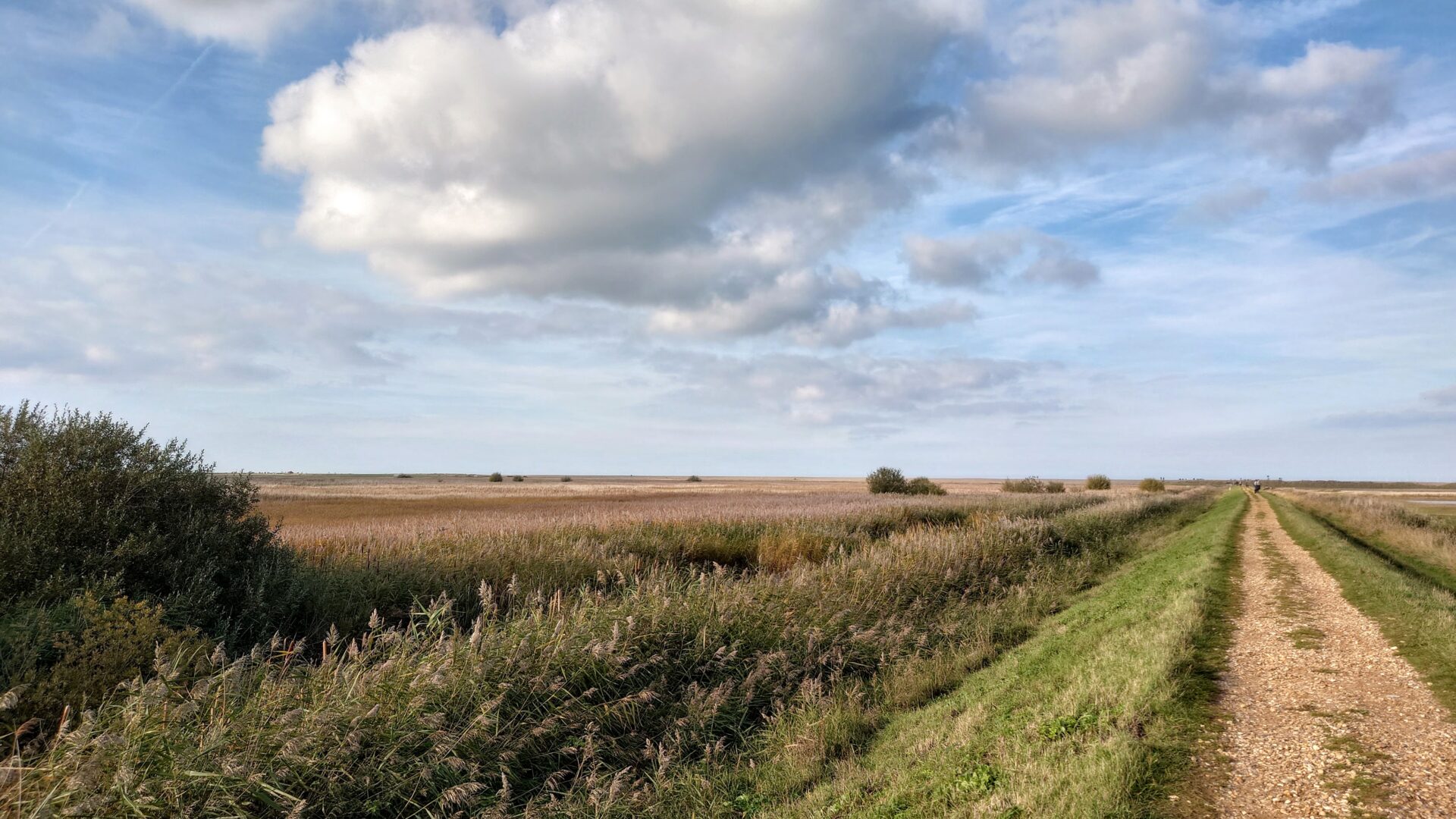
The salt marsh at Cley Marshes
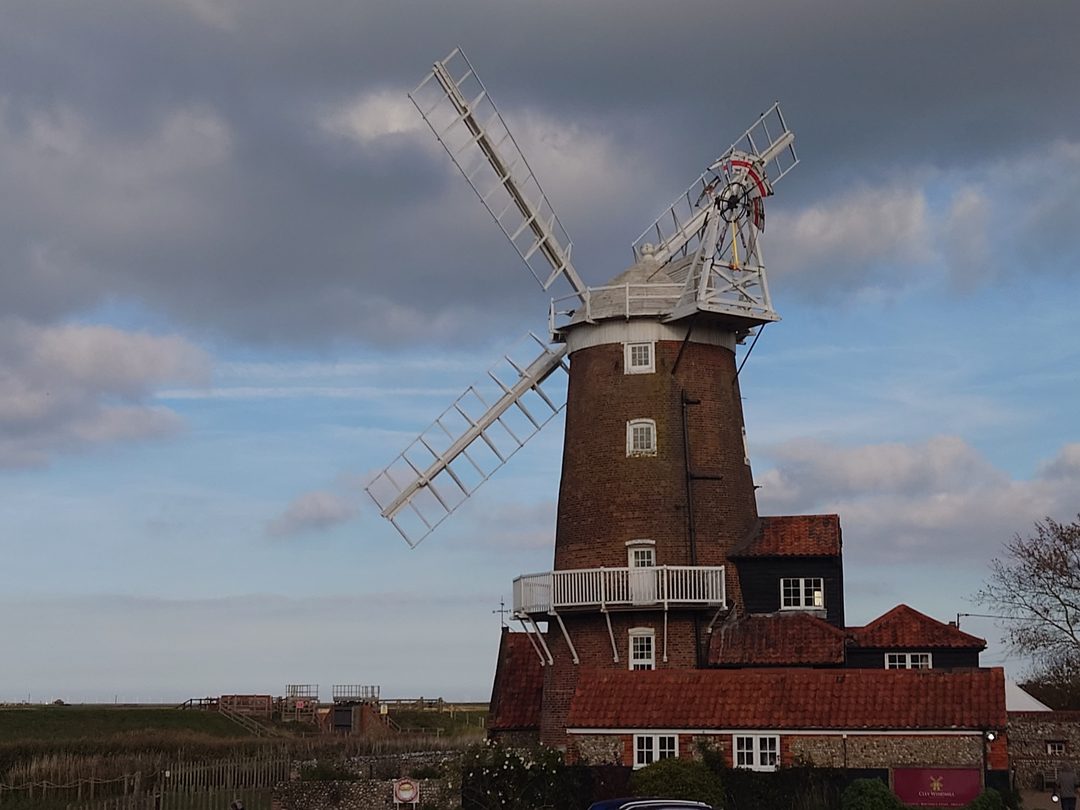
Cley-next-the-Sea is a Norfolk village that definitely belongs on a postcard. There’s the picturesque windmill, pretty flint cottages and, just beyond the village, a wonderfully open landscape where the marshes meet the sea.
The Norfolk Wildlife Trust’s Cley and Salthouse Marshes visitor centre is a great place to start. It has a distinctive bird hide shape and sits discreetely just beyond the reserve. There’s parking, toilets, a café where you can stop for a snack, and panoramic views across the reserve and coastline. The Cley Spy shop is particularly useful if you need binoculars or a spotting scope.

What makes this landscape so special is the meeting of land and sea. This isn’t simply a freshwater wetland. The coastal marshes, tidal channels, pools and reedbeds create a varied habitat influenced by the sea, attracting an extraordinary range of birds throughout the year.
Autumn is an especially rewarding time to visit, as resident birds are joined by migrants and winter visitors arriving from further north.
We were treated to large flocks of geese flying noisily overhead in their familiar V formations. It’s quite a sight, and the sound carries across the otherwise peaceful landscape. We love seeing this and it always makes us smile (especially when they fly over North Cottage!).
There were also plenty of cormorants. Some were resting with their wings spread wide, drying their feathers in the sunshine before heading off to feed. Over the sea, we watched gannets plunging into the water in pursuit of fish.

We always take our binoculars. They make such a difference, and allow us to watch the birds’ behaviour closely without even getting near them. We can spend a surprisingly long time watching what initially looks like a distant speck behind a clump of grass.
A long gravel path alongside the dyke provides a wonderful vantage point, and there’s also a timber bird hide with charts showing the types of birds you’re likely to see. You definitely don’t need to be an expert to enjoy yourself playing bird bingo.
At the end of the path, the landscape opens out onto a vast stretch of pebble beach, running as far as the eye can see. On the horizon, a wind farm provides a rather unexpected reminder of the modern world, sitting in contrast to the apparent isolation of the coastline.
Andrea and I loved watching the juvenile gannets plunging from high into the sea for fish, their pale bodies and enormous wings making them easy to distinguish from the darker cormorants.
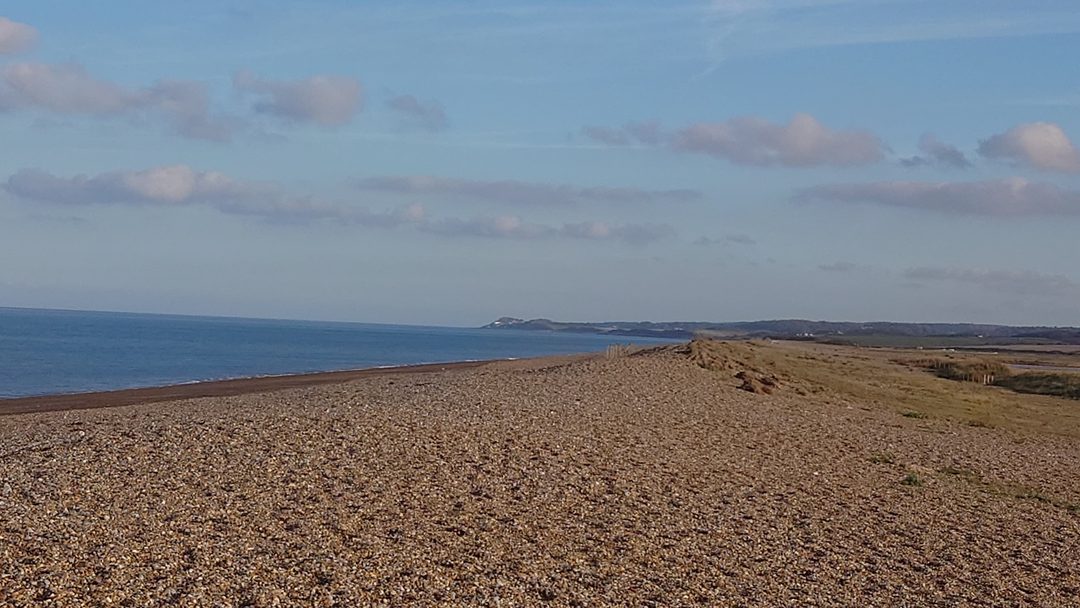
Warning – Bird watching can be addictive
During this visit, one highlights was a colourful lapwing, with its wonderfully distinctive green body and punk-rock mohican crest. A guy with the hugest green velvet camouflage camera lens was spellbound by it. I quickly put my camera phone away. But then he told me despite owning all the snazzy gear he looks the birds up when he gets home and we both smiled.
There were loads of widgeons, and mallards, and the occasional curlew. It’s the birds that stand out from the crowd that makes taking a pair of binoculars so worthwhile, and you don’t need a fancy pair either.
Nor do you don’t need to know the name of every bird to enjoy watching them. The spotter boards help, and other visitors can be heard to whisper – oh look an egret! It’s definitely part of the fun trying to work out what you’re looking at and watching how it behaves, and fortunately there is no internet here so no one is Googling what they should be observing.
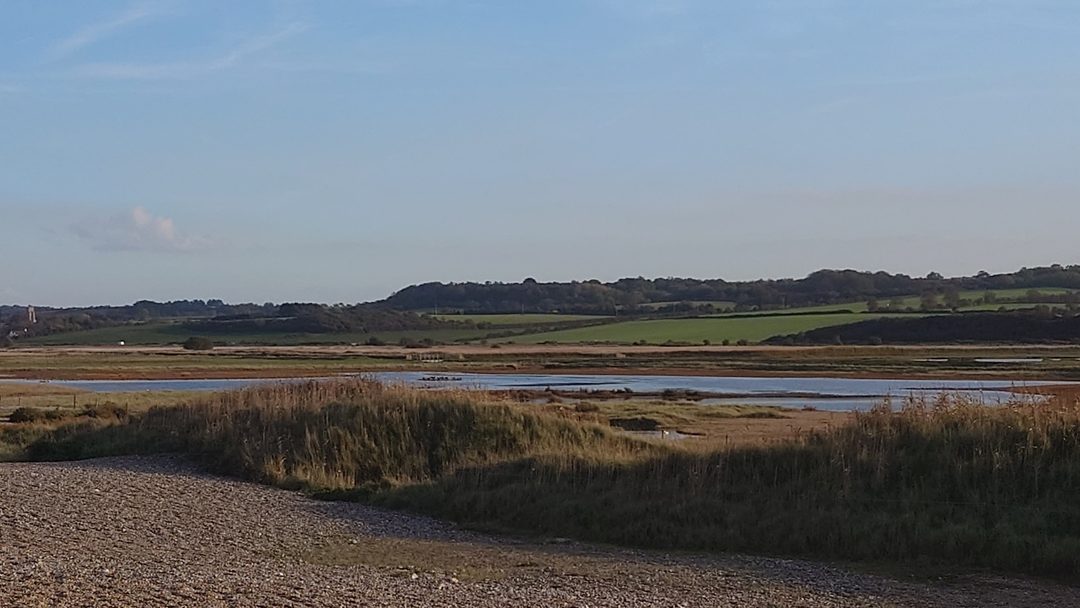
Looking back towards the land, across the winding water channels, pools and reeds, is an experience in itself. The big skies and uninterrupted views seem to go on forever. We don’t know of many places quite like it.
It’s perhaps no surprise that Cley attracts visitors from far and wide. Yet despite the number of people who come here, there’s a lovely atmosphere. People greet one another as they pass, and conversations seem to become quieter as everyone stops to watch the wildlife.
It’s a special place, and one of our favourite corners of Norfolk.

Getting to Cley from North Cottage Cromer
Cley is an easy coastal 30 minute drive from Cromer, making it a lovely half-day outing. You can also take the Coasthopper bus, which as the name suggests follows the coast and makes the journey part of the experience. It’s a really scenic way to explore this stretch of Norfolk without the car, and sitting slightly higher up gives a nicely elevated view.
If you’re visiting, bring your binoculars, and don’t be in a hurry, slew you down, or hold you hard as they say in Norfolk. The best sightings are often the ones you weren’t expecting.
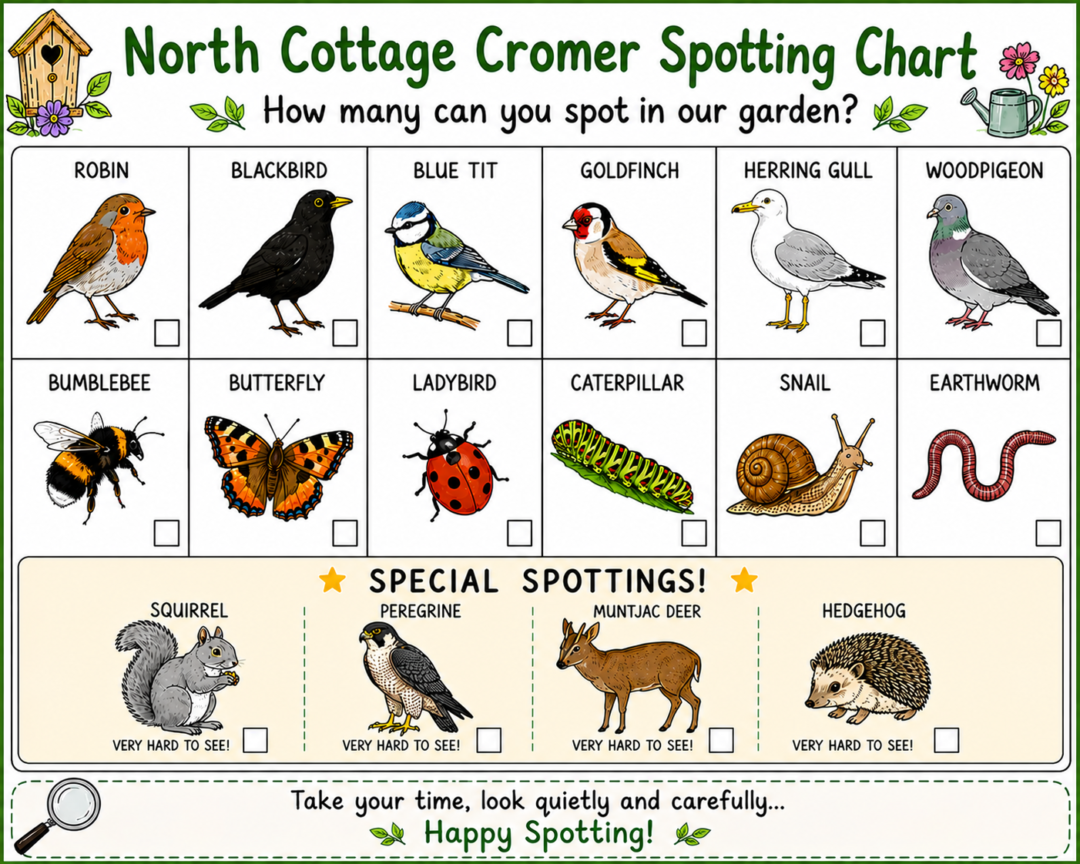
You don’t even have to travel far
One of the things we love about North Cottage Cromer is that you don’t need to venture very far to find the wildlife.
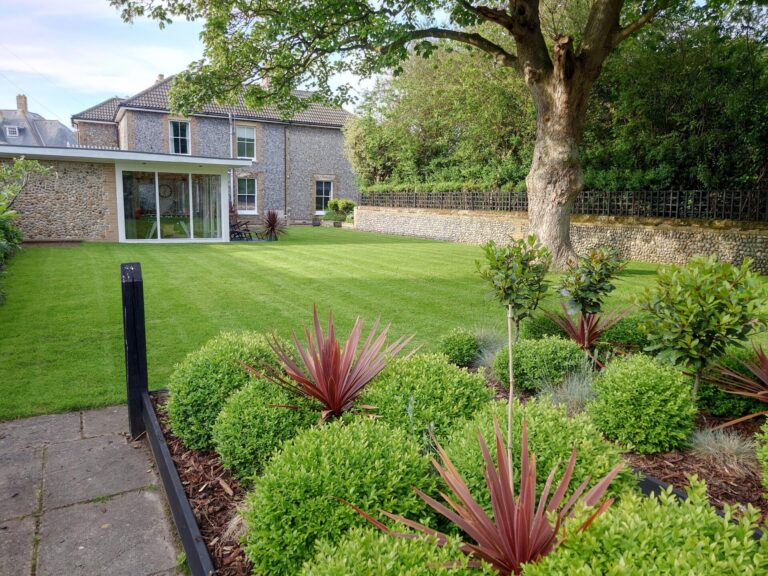
Our garden attracts its own collection of visitors, including pheasants, goldfinches and jays. We provide a spotting card and encourage guests to complete the challenge. We’ve also spotted a sparrow hawk, while the local peregrines sometimes appear overhead. They don’t tend to land in the garden, but they certainly make their presence felt when hunting. And, of course, there are always the gulls.
Step outside the front door and North Lodge Park is right there. Walk through the park for a couple of minutes and you’re on the beach, where there’s always something to see overhead or along the shoreline.
If you’re more used to city life, even the everyday birds here can be a pleasure to watch. You’ll definitely spot things you can rarely see at home.
So whether it’s the rare Siberian visitor attracting hundreds of birdwatchers, a flock of geese crossing the autumn sky, or a pheasant passing through the garden, North Norfolk offers plenty of reasons to look up and smile.
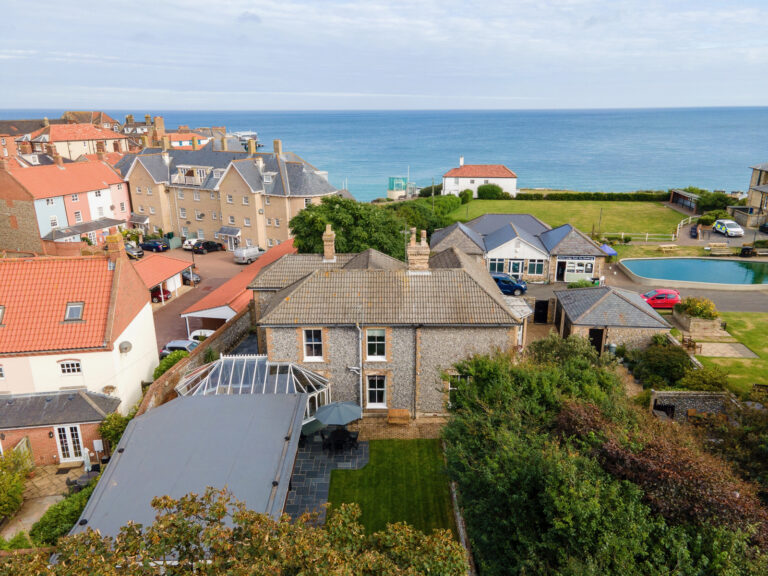
We’d love to welcome you to award winning North Cottage Cromer. This traditional detached brick and flint Norfolk house sleeps 12 and is right beside the beach.
The Norfolk Wildlife Trust at Cley
Sanders Coasthopper Bus